Maggie L
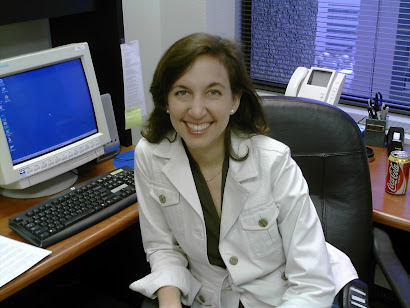
One of the rare times I'm in the office
Tuesday, July 5, 2011
Journalism Conference
This year's RTNDA/SPJ conference in New Orleans looks like a good one. There are lots of heavy hitters speaking and some interesting pre-conference workshops. It's not cheap though-- $275 for early bird registration. But it's a great place (outside of the newsroom) to refresh your skills, learn new ones as well as mix and mingle. Plus, New Orleans is awesome. The conference website is http://excellenceinjournalism.org/


They trust us. A Little.
New Gallup data shows Americans Regain Some Confidence in Newspapers, TV News. Our ranking among American institutions? #11. The military was #1. For what it's worth, we beat Congress at #16.
Americans Regain Some Confidence in Newspapers, TV News
Americans Regain Some Confidence in Newspapers, TV News
Friday, July 1, 2011
Preventing Mistakes
I received an email from a producer majorly stressing about catching mistakes, errors and misspellings. Here's my best advice...
It helps to build in layers of prevention. For example, if you're worried about bad fonts... have someone, anyone... else look over your fonts a half hour before the newscast. Any set of eyes other than yours will catch mistakes.
Ditto with scripts-- do you have an EP? They should be looking over all of the scripts of your show. If not, maybe look to an anchor or writer as a second set of eyes.
We're all human. You will make mistakes... so as many systems or extra people you can have looking at things, the better. Also, don't underestimate the power of the final readthrough--- after you've approved all scripts, do one final read through, reading everything out loud. Your ears will catch things your eyes won't. Make sure you are reading and consuming a lot of local news. By reading and listening and watching a lot of stuff, you'll catch nit-noid mistakes (wait-- was that 3 cars in that accident? I thought I read 4 somewhere...) My favorite (horrifying) mistake that made air was back when I was a writer-- I wrote that Easter celebrated the birth of Christ. I wrote it in a rush and two other people read it and didn't catch. I still cringe when I think of it today. We got calls. A lot of them.
To do a lot of these preventative checks.. you have to get your stuff done early. This is good practice anyway and allows everyone else time to do their jobs better. So shoot for generally having most everything done about an hour before the newscast. Then you can do your final checks, write teases and wait for the inevitable spot news to blow up your show. By being generally done by an hour-ish ahead of time... you can be free to respond to whatever crisis that pops up.
Do something non work related to make you better able to meet stress. Walk, run, swim-- whatever floats your boat... do something physical to help combat the inevitable irks that come your way. Also, do like I say and not like I did (as a show producer) and skip the 3 Mountain Dew/cheeseburger days. They do not help you stay calm cool and collected. Finally-- get a life outside of work! Join a club, hit a movie with friends. That gives you a better perspective when you do deal with work craziness.
And lighten up! Remember, it ain't brain surgery. No one dies if you screw up. Still, aim to give your best to your viewers and your co-workers each and every day.
It helps to build in layers of prevention. For example, if you're worried about bad fonts... have someone, anyone... else look over your fonts a half hour before the newscast. Any set of eyes other than yours will catch mistakes.
Ditto with scripts-- do you have an EP? They should be looking over all of the scripts of your show. If not, maybe look to an anchor or writer as a second set of eyes.
We're all human. You will make mistakes... so as many systems or extra people you can have looking at things, the better. Also, don't underestimate the power of the final readthrough--- after you've approved all scripts, do one final read through, reading everything out loud. Your ears will catch things your eyes won't. Make sure you are reading and consuming a lot of local news. By reading and listening and watching a lot of stuff, you'll catch nit-noid mistakes (wait-- was that 3 cars in that accident? I thought I read 4 somewhere...) My favorite (horrifying) mistake that made air was back when I was a writer-- I wrote that Easter celebrated the birth of Christ. I wrote it in a rush and two other people read it and didn't catch. I still cringe when I think of it today. We got calls. A lot of them.
To do a lot of these preventative checks.. you have to get your stuff done early. This is good practice anyway and allows everyone else time to do their jobs better. So shoot for generally having most everything done about an hour before the newscast. Then you can do your final checks, write teases and wait for the inevitable spot news to blow up your show. By being generally done by an hour-ish ahead of time... you can be free to respond to whatever crisis that pops up.
Do something non work related to make you better able to meet stress. Walk, run, swim-- whatever floats your boat... do something physical to help combat the inevitable irks that come your way. Also, do like I say and not like I did (as a show producer) and skip the 3 Mountain Dew/cheeseburger days. They do not help you stay calm cool and collected. Finally-- get a life outside of work! Join a club, hit a movie with friends. That gives you a better perspective when you do deal with work craziness.
And lighten up! Remember, it ain't brain surgery. No one dies if you screw up. Still, aim to give your best to your viewers and your co-workers each and every day.
Thursday, June 9, 2011
Spoiling Your Appetite
Remember when your mom told to not to fill up on a drink or snack before dinner so that you wouldn't spoil your appetite? Similar fine line with intros. We want enough interesting detail to keep people watching but you don't to end up putting everything in the intro and leaving your reporter nothing to report. On the other hand, your intro sets up the story. I remember having an argument with a reporter about him wanting to "save" a key detail for his pkg. But in my opinion, that detail needed to be in intro.
There's no "right" way to do things. I generally used to have pretty quick intros so we could get to the reporters (for pacing) and save big set-up intros for major stories-- or leads. But maybe there's an abundance of good stuff and you want to juice up your intro. I'd let the story drive it. And be sure to be clear with your reporter (early) about what you're doing. Have an open discussion and hear your reporter out. They might have something great that they couldn't use in their piece that you can toss in intro or even a headline or tease.
There's no "right" way to do things. I generally used to have pretty quick intros so we could get to the reporters (for pacing) and save big set-up intros for major stories-- or leads. But maybe there's an abundance of good stuff and you want to juice up your intro. I'd let the story drive it. And be sure to be clear with your reporter (early) about what you're doing. Have an open discussion and hear your reporter out. They might have something great that they couldn't use in their piece that you can toss in intro or even a headline or tease.
Show Me the Money
I just received a question from someone looking to make a move to a bigger market. The bigger market wanted her to move for less money than she was expecting-- and also take a writer position (that might turn into producer position). My advice to her-- and my advice to you when you're looking at any new position-- is hold out for what you want. Even better-- ask for what you want. Lots of times we assume that when a prospective employer says "Here's what I got for you" that's really all they got. In reality, when a company or manager wants you, they have flexibility to find extra cash and/or can shuffle things around in your favor. The number they mention can be just the first offer in a neogitiation. Remember, the only negotiating power you really have is when you're coming in to a new shop. An example from my own experience-- I moved up markets and thought I had made a good deal for myself. Then I met and became friends with the gal who did the exact same show across the street at the competition. She was making $10,000 more than me and that was before overtime (did I mention I wasn't getting overtime?). I felt like an idiot and stewed about it. But who's fault is it if you're not getting paid what you're worth?
To that end, I just read a decent TV related money book-- from the co-anchor on "Morning Joe." It's "Knowing Your Value" by Mika Brzezinski. In it, she details her job related money mistakes and offers tips from experts. An even better book is "Women Don't Ask." It's targeted to women, but it can be helpful to anyone. Basically the premise is that women, more than men, don't like to negotiation and that this cuts them out of big bucks. For a sampling of just how much you'll lose if you don't negoitate well, check out the scary sampling of stats on their website.
Here's a teaser:
"By not negotiating a first salary, an individual stands to lose more than $500,000 by age 60—and men are more than four times as likely as women to negotiate a first salary."
To that end, I just read a decent TV related money book-- from the co-anchor on "Morning Joe." It's "Knowing Your Value" by Mika Brzezinski. In it, she details her job related money mistakes and offers tips from experts. An even better book is "Women Don't Ask." It's targeted to women, but it can be helpful to anyone. Basically the premise is that women, more than men, don't like to negotiation and that this cuts them out of big bucks. For a sampling of just how much you'll lose if you don't negoitate well, check out the scary sampling of stats on their website.
Here's a teaser:
"By not negotiating a first salary, an individual stands to lose more than $500,000 by age 60—and men are more than four times as likely as women to negotiate a first salary."
Thursday, May 26, 2011
Avoiding Cliches
There's a lot of wild weather around-- and maybe it has hit your region. No better time to talk about cliches. Maybe I've been covering tornadoes too long, but I'd like to permanently ban AT LEAST these phrases:
"Tossed like toys"
"Looks like a war zone"
And there are many others. Cliches do your writing and your viewers a disservice. It's a cheap, lazy writer's way to fill a script. When you have truly moving material, look at it and find ways to tell these people's stories in an authentic way. Remember that there's always a family and community behind each obliterated home and block. What's special about them? How can you communicate that without relying on a writing crutch?
"Tossed like toys"
"Looks like a war zone"
And there are many others. Cliches do your writing and your viewers a disservice. It's a cheap, lazy writer's way to fill a script. When you have truly moving material, look at it and find ways to tell these people's stories in an authentic way. Remember that there's always a family and community behind each obliterated home and block. What's special about them? How can you communicate that without relying on a writing crutch?
Monday, January 24, 2011
Nothing Good Happens on Facebook
You've probably heard about the anchor and producer who got into a fight in Charlotte. In the article below....
Anchor Brien Blakely out at Fox Charlotte - CharlotteObserver.com
...it says the fight started beause of a posting the producer made on Facebook.
A former boss of mine says "Nothing good happens on Facebook."
I love Facebook.
You love Facebook.
We'd sooner cut of a finger than close our accounts.
But please use some sense. Use the rule I learned way back in the dark ages when email was first coming to my newsroom: "Never write anything you wouldn't want the world to read." You may think your privacy settings allow only friends, but some of you have 8000 friends and do you really know them all that well? Always assume there's someone out there you wouldn't want reading your innermost thoughts and act accordingly. Don't post anything embarassing about yourself or others. Pretend a current or potential employer can read your page. Or, pretend your mom can read your page. Better yet- friend her. That will make you think twice before saying or posting something that could come back to haunt you.
Anchor Brien Blakely out at Fox Charlotte - CharlotteObserver.com
...it says the fight started beause of a posting the producer made on Facebook.
A former boss of mine says "Nothing good happens on Facebook."
I love Facebook.
You love Facebook.
We'd sooner cut of a finger than close our accounts.
But please use some sense. Use the rule I learned way back in the dark ages when email was first coming to my newsroom: "Never write anything you wouldn't want the world to read." You may think your privacy settings allow only friends, but some of you have 8000 friends and do you really know them all that well? Always assume there's someone out there you wouldn't want reading your innermost thoughts and act accordingly. Don't post anything embarassing about yourself or others. Pretend a current or potential employer can read your page. Or, pretend your mom can read your page. Better yet- friend her. That will make you think twice before saying or posting something that could come back to haunt you.
Subscribe to:
Posts (Atom)

